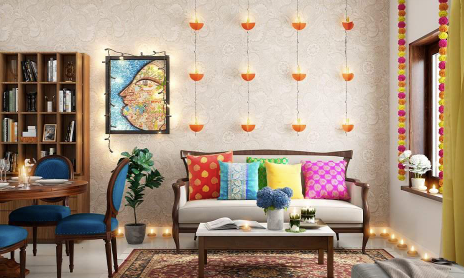
DIY interior decoration projects invite careful planning and cohesive restyling. Color-conscious choices shape mood, while space planning preserves flow. A practical approach combines affordable updates with deliberate reuse, anchored by clear timelines and targeted swaps. The process emphasizes high-impact changes, from hardware to wall art, guided by mood boards and practical constraints. The result feels calm and personal, yet the path forward remains guarded by decisions still to be made. The next step opens up tangible options and careful commitments.
How to Plan DIY Interior Decor Projects
Planning DIY interior decor projects begins with a clear vision of color, space, and cohesion. The approach emphasizes color-conscious choices, deliberate space-planning, and cohesive restyling, inviting creative freedom. A methodical planning timeline guides decisions, while sourcing materials aligns with style goals. Detached observation notes practical steps, timelines, and dependencies, ensuring resources fit the envisioned atmosphere without clutter or overreach.
Quick, Budget-Friendly Makeovers for Any Room
Quick, budget-friendly room makeovers emphasize fast impact with minimal expense, selecting high-impact, affordable changes that honor existing architecture. In this approach, the design remains color-conscious and cohesive, prioritizing space planning and liberation through thoughtful, low-cost updates. Budget friendly strategies emphasize quick makeovers that reuse elements, implement space saving tricks, and explore color palettes for harmony and personal freedom.
Hands-On Projects: From Wall Art to Hardware
Consider how small, tangible upgrades can transform a room from the ground up: hands-on projects like wall art and hardware choices empower cohesive restyling without a full overhaul. Within a color-conscious, space-planning approach, the process centers on mood boards, color schemes, and practical focal points. Wall art and shelving units anchor style, offering freedom while preserving deliberate, balanced interiors.
Troubleshooting Common DIY Decor Pitfalls and Fixes
Unexpected challenges often surface in DIY decor, but a measured approach can keep projects cohesive and on track. This section examines common missteps with a color-conscious lens, prioritizing space-planning and cohesive-restyling. Readers explore practical fixes, from budgeting myths to palette adjustments, and how clarity about color psychology guides decisions. The detached tone supports autonomous choices while preserving freedom and visual harmony.
Frequently Asked Questions
How Long Do DIY Interior Projects Typically Take to Complete?
A typical completion times for projects vary, but allow flexible timelines; safety gear essentials for decor tasks are prioritized, with finishes for high traffic areas ensuring durability. Sourcing sustainable materials locally supports accuracy, pre project cost estimation, and cohesive-restyling freedom.
What Safety Gear Is Essential for Common Decor Tasks?
A striking stat notes 70% of DIY-related injuries occur without proper PPE. Safety gear basics include gloves, eye protection, mask, and sturdy footwear; a PPE checklist guides selection. The tone remains color-conscious, space-planning, cohesive-restyling, and freedom-inspired.
Which Finishes Are Best for High-Traffic Areas?
Finishes suitable for high-traffic areas includeDurable enamel, polyurethane, and epoxy coatings, offering wear resistance and easy cleaning. The two word discussion idea 1, two word discussion idea 2 encourage color-conscious, space-planning, cohesive-restyling approaches for freedom-loving audiences.
How to Source Sustainable, Affordable Materials Locally?
Sustainable sourcing, local markets provide abundant affordable materials, budget friendly options for mindful projects. The approach emphasizes color-conscious choices, space-planning coherence, and cohesive-restyling, offering freedom while locating accessible resources that minimize environmental impact and maximize personal expression.
See also: How Technology Is Transforming Marketing
How to Estimate Costs Accurately Before Starting?
Cost estimation for projects begins by listing all materials, then forecasting contingencies; beware cost estimation pitfalls and budgeting for materials. The approach is color-conscious, space-planning, cohesive-restyling, speaking to readers who desire freedom and adaptable totals.
Conclusion
In the end, meticulous planning and cohesive styling guide every DIY decor choice, turning budget into beauty. A color-conscious approach anchors rooms, while deliberate space-planning preserves flow and function. For example, a small living room reimagined with a unified palette, strategic furniture placement, and reused accessories feels larger and calmer without overspending. Hands-on updates—from fresh hardware to gallery walls—become the signature that ties the space together, delivering personality, practicality, and lasting satisfaction.