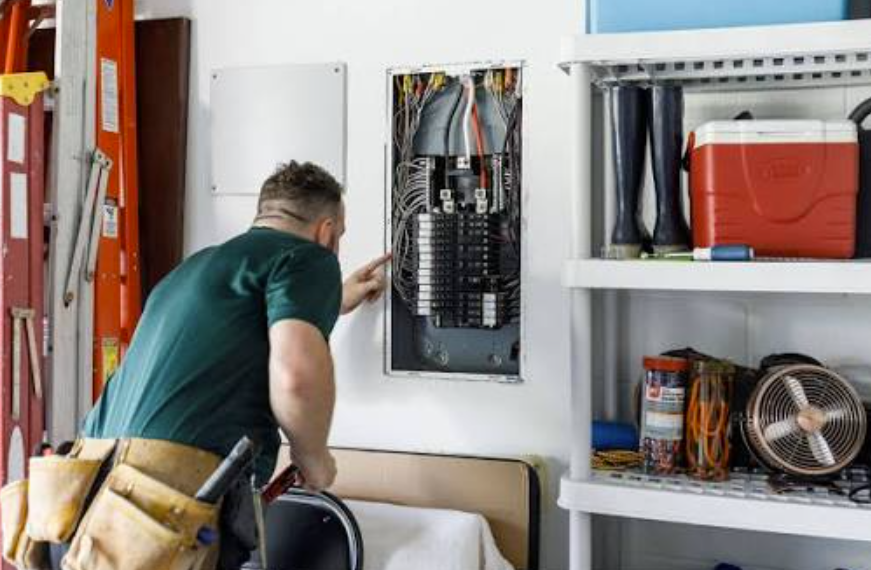
An electrical panel is an essential part of a home’s electrical infrastructure. It distributes electricity to different circuits and supports the operation of household appliances, lighting, and other electrical devices. Although electrical panels are designed for long-term use, their components can deteriorate because of environmental conditions, electrical loads, and natural aging.
Understanding how aging affects electrical distribution equipment helps homeowners recognize potential problems and make informed decisions about inspections, maintenance, and electrical improvements.
How Electrical Panels Age Over Time
Electrical panels contain circuit breakers, conductive connections, bus bars, and other components that operate under different electrical conditions.
Over time, repeated heating and cooling, environmental exposure, and mechanical deterioration can affect certain components.
The age of an electrical panel does not automatically determine whether it is unsafe. Some older installations remain functional when properly maintained, while relatively new equipment can develop problems because of improper installation or damage.
Professional inspection is the most reliable way to evaluate the condition of an existing electrical distribution system.
Common Signs of Aging Electrical Equipment
Frequent Circuit Breaker Trips
Circuit breakers protect electrical circuits against excessive current. If a breaker trips repeatedly, it may indicate overloaded wiring, faulty appliances, damaged insulation, or defective equipment.
Repeatedly resetting a breaker without investigating the cause can expose the system to additional hazards.
Corrosion and Rust
Corrosion may develop when moisture enters an electrical enclosure or when equipment is exposed to unsuitable environmental conditions.
Rust and damaged contact surfaces can interfere with electrical connections and contribute to overheating.
Unusual Sounds
Buzzing, crackling, or popping sounds may indicate loose electrical connections or potentially dangerous arcing.
These symptoms require prompt professional attention.
Visible Heat Damage
Discolored components, melted insulation, or burning odors may suggest excessive heating.
Homeowners should avoid touching damaged electrical equipment and arrange for qualified inspection.
How Electrical Demand Changes Over Time
Older residential electrical systems were often designed around the appliances and technologies available when the buildings were constructed.
Modern households may use additional equipment, including electric vehicle chargers, heat pumps, air conditioning systems, and high-powered kitchen appliances.
These technologies can increase electrical demand and create new circuit requirements.
However, the need for additional electrical capacity should always be determined through appropriate load calculations rather than assumptions about a building’s age.
When Older Equipment Requires Professional Evaluation
Homeowners planning renovations or major appliance installations should have their electrical infrastructure assessed before adding significant loads.
An electrician may review the panel rating, circuit availability, breaker compatibility, grounding arrangements, and overall equipment condition.
For properties with deteriorated distribution equipment or inadequate capacity, electrical panel replacement Chicago may be considered as part of a professionally designed electrical improvement project, depending on the installation’s condition and applicable local requirements.
The evaluation should determine whether repairing existing components, replacing equipment, or modifying circuits is appropriate.
The Importance of Preventive Maintenance
Preventive maintenance helps identify developing problems before they lead to equipment failure.
Professional electrical inspections may reveal corrosion, overheating, damaged components, or improper modifications.
Homeowners can also support electrical safety by keeping the panel accessible, maintaining clear circuit labels, and reporting unusual electrical behavior.
Internal inspection and repair should always be performed by qualified electricians.
Conclusion
Aging electrical panels require careful attention because deterioration can affect both electrical reliability and household safety.
Understanding warning signs, evaluating changing electricity demands, and arranging professional inspections help homeowners maintain dependable electrical distribution systems.
Proper maintenance and informed equipment decisions can reduce the risk of electrical failures while supporting long-term residential safety.